HOW INTERIOR LIGHTING SHAPES A SPACE
The way a space feels and functions is strongly influenced by interior lighting. Lighting impacts perception of size, warmth, cleanliness, and comfort. Poor lighting can make rooms feel harsh or uninviting, while balanced lighting creates an environment that feels intentional and easy to use. Effective design relies on layered lighting, ambient, task, and accent to ensure every area is properly illuminated without over lighting.
INTERIOR LIGHTING DESIGN FOR HOMES
In residential settings, interior lighting installation focuses on comfort, safety, and daily routines. Kitchens require bright task lighting for preparation, living spaces benefit from adjustable ambient lighting, and bedrooms need softer illumination that supports rest. Upgrading to LED interior lighting allows homeowners to control brightness and colour temperature while lowering energy use. Smart lighting controls further enhance flexibility, adapting lighting levels based on time of day or activity.
THE IMPACT OF COMMERCIAL INTERIOR LIGHTING
For businesses, commercial interior lighting directly affects performance and perception. Offices need lighting that reduces eye strain and improves concentration, while retail and hospitality environments rely on lighting to guide movement and highlight key features. Poor lighting can contribute to fatigue, mistakes, and discomfort. Strategic interior lighting upgrades improve visual clarity, enhance brand presentation, and reduce maintenance and operating costs.
WHY LED INTERIOR LIGHTING IS THE STANDARD
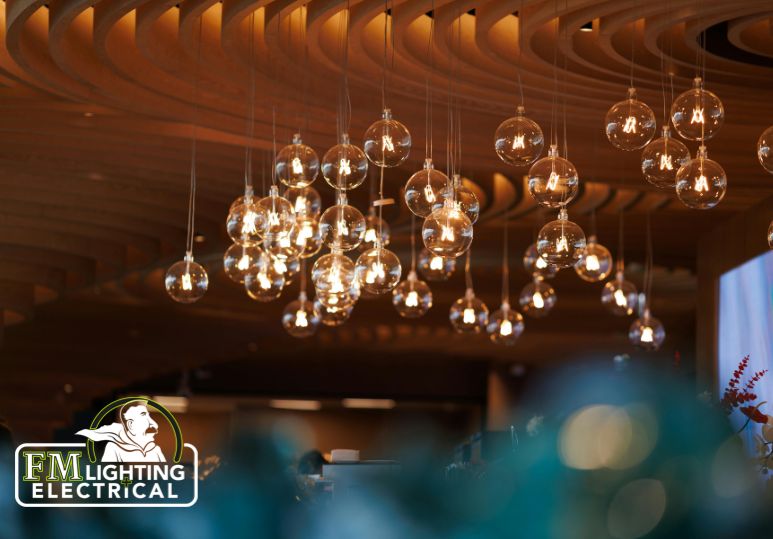
LED interior lighting has become the preferred option for both residential and commercial applications. LEDs offer longer lifespans, lower power consumption, and more consistent light output than traditional systems. They also support modern design flexibility, including recessed fixtures, linear lighting, and architectural accents. When paired with professional interior lighting installation, LED systems deliver reliable performance while meeting efficiency and safety standards.
PROFESSIONAL LIGHTING INSTALLATION
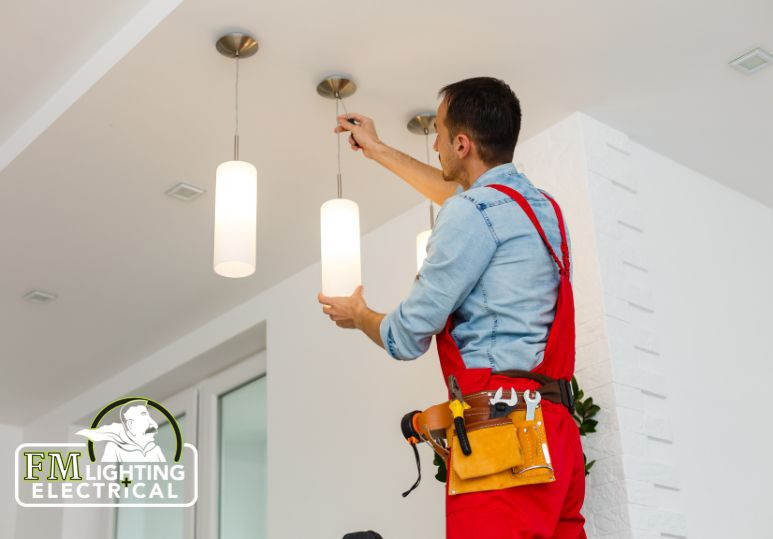
Successful interior lighting projects begin with proper planning. Professionals assess room layout, ceiling height, natural light levels, and intended use before recommending solutions. Expert interior lighting installation ensures fixtures are positioned correctly, wiring is safe, and lighting performs as intended. Whether upgrading a home or modernizing a commercial space, professional interior lighting upgrades prevent issues such as glare, uneven lighting, and wasted energy.
FAQ’S
Q: WHAT ARE THE BENEFITS OF LED INTERIOR LIGHTING?
A: LED interior lighting offers improved energy efficiency, longer lifespan, and consistent light quality. It reduces operating costs while providing flexible lighting options for both homes and businesses.
Q: HOW DOES COMMERCIAL INTERIOR LIGHTING AFFECT PRODUCTIVITY?
A: Proper commercial interior lighting reduces eye strain, improves visibility, and creates a more comfortable work environment, which supports focus and overall performance.
Q: WHEN SHOULD INTERIOR LIGHTING BE UPGRADED?
A: Interior lighting upgrades are recommended during renovations, energy audits, or when lighting feels outdated, uneven, or inefficient. Upgrading improves function, appearance, and long term value.
.jpg "Commercial Electrical Services Every Business Should Prioritize – Calgary Electrical Services")