PANEL UPGRADES
Electrical panels are the central control point of any electrical system, and upgrading them is one of the most important electrical safety upgrades property owners can make. Older panels may not be designed to handle modern electrical demands, especially in buildings that now rely on multiple devices, appliances, and systems. When panels become overloaded, they may fail to distribute power properly or trip frequently, creating both inconvenience and safety concerns.
Outdated panels may also lack modern safety features. Newer panels are designed to provide better circuit protection, improved load management, and enhanced reliability. Without these features, electrical systems are more vulnerable to overheating, short circuits, and other hazards. In both residential and commercial settings, upgrading the electrical panel helps ensure that circuits can safely support current power requirements.
Professional electrical services evaluate the condition of existing panels and determine whether upgrades are necessary. A qualified electrician can install a new panel that meets current safety standards and supports future electrical needs. Proper electrical installation ensures that circuits are organized, labelled, and functioning correctly.
Panel upgrades also improve the ability to expand electrical systems. As homes and businesses add new equipment, lighting, or technology, additional circuits may be required. A modern panel allows for these expansions without overloading the system. Investing in panel upgrades improves both safety and long-term flexibility.
CIRCUIT PROTECTION
Effective circuit protection is another critical part of electrical safety upgrades. Circuit breakers are designed to shut off power when a fault or overload occurs, preventing damage to wiring and reducing fire risk. However, older systems may not provide the same level of protection as newer technologies.
Modern circuit protection includes advanced breakers that respond quickly to electrical faults. Ground fault circuit interrupters (GFCIs) protect against electrical shock by shutting off power when an imbalance is detected. These are commonly used in areas where moisture is present, such as kitchens, bathrooms, and outdoor spaces. Arc fault circuit interrupters (AFCIs) detect dangerous electrical arcs that can lead to fires and shut down circuits before damage occurs.
Installing updated circuit protection is an essential electrical installation improvement for both homes and workplaces. These systems provide an added layer of safety by identifying problems that traditional breakers may not detect. Without proper protection, electrical faults can go unnoticed and increase the risk of serious damage.
A professional electrician can assess which types of circuit protection are required based on the layout and use of the property. Upgrading to modern protection systems helps ensure that electrical systems respond quickly to potential hazards, reducing risk and improving reliability.
WIRING AND OUTLET UPGRADES
Wiring and outlets are often overlooked but play a major role in overall electrical safety. Over time, wiring can deteriorate, insulation can weaken, and connections may loosen. These issues can lead to inconsistent power, overheating, and increased fire risk. Upgrading wiring is one of the most effective electrical safety upgrades for improving system performance and safety.
Older properties may also lack sufficient outlets for modern needs. This often leads to overuse of extension cords or power strips, which can overload circuits and create hazards. Installing additional outlets through professional electrical installation helps distribute the electrical load more evenly and reduces reliance on temporary solutions.
Upgrading outlets also improves safety. Modern outlets include features such as tamper resistance and improved grounding. These upgrades reduce the risk of electrical shock and ensure outlets function reliably. In commercial settings, properly installed outlets support equipment performance and reduce the likelihood of disruptions.
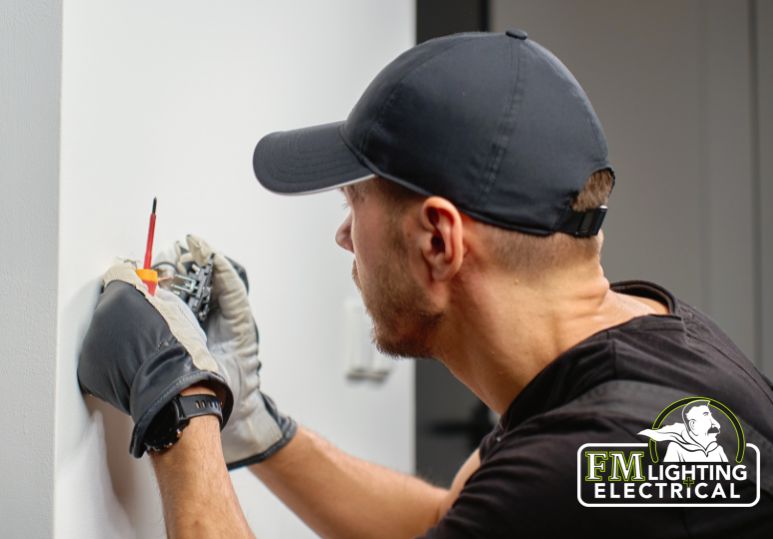
Professional electrical services ensure that wiring and outlet upgrades are completed safely and in compliance with current standards. A qualified electrician can inspect existing systems, identify areas of concern, and recommend appropriate improvements.
By addressing wiring and outlet issues, property owners can improve both safety and functionality. These upgrades support consistent power delivery while reducing the risk of electrical hazards in both residential and commercial environments.
In addition to safety improvements, updated wiring and outlets also support modern technology requirements. Many homes and businesses rely on devices that require stable and consistent power, including computers, servers, and smart systems. Outdated wiring may struggle to deliver consistent voltage, leading to performance issues or equipment damage. Upgrading wiring ensures that electrical systems can support current and future demands without interruption. This is especially important in commercial environments where consistent power is critical for daily operations.
FAQs
Q: WHAT ARE ELECTRICAL SAFETY UPGRADES?
A: Electrical safety upgrades include improvements such as panel upgrades, circuit protection, and wiring updates that reduce risks and improve system reliability.
Q: WHY ARE ELECTRICAL PANEL UPGRADES IMPORTANT?
A: Panel upgrades ensure electrical systems can handle modern power demands safely while providing better circuit protection and reliability.
Q: WHEN SHOULD ELECTRICAL SAFETY UPGRADES BE DONE?
A: Electrical safety upgrades should be considered when systems are outdated, experiencing issues, or when electrical demand increases.
.jpg "Exterior Commercial Lighting Safety Tips Guide – Calgary Exterior Lighting")
.jpg "Signs Your Lighting Needs Upgrading – Interior Lighting Upgrades Calgary")